Gender from the Eyes of a Practice Teacher
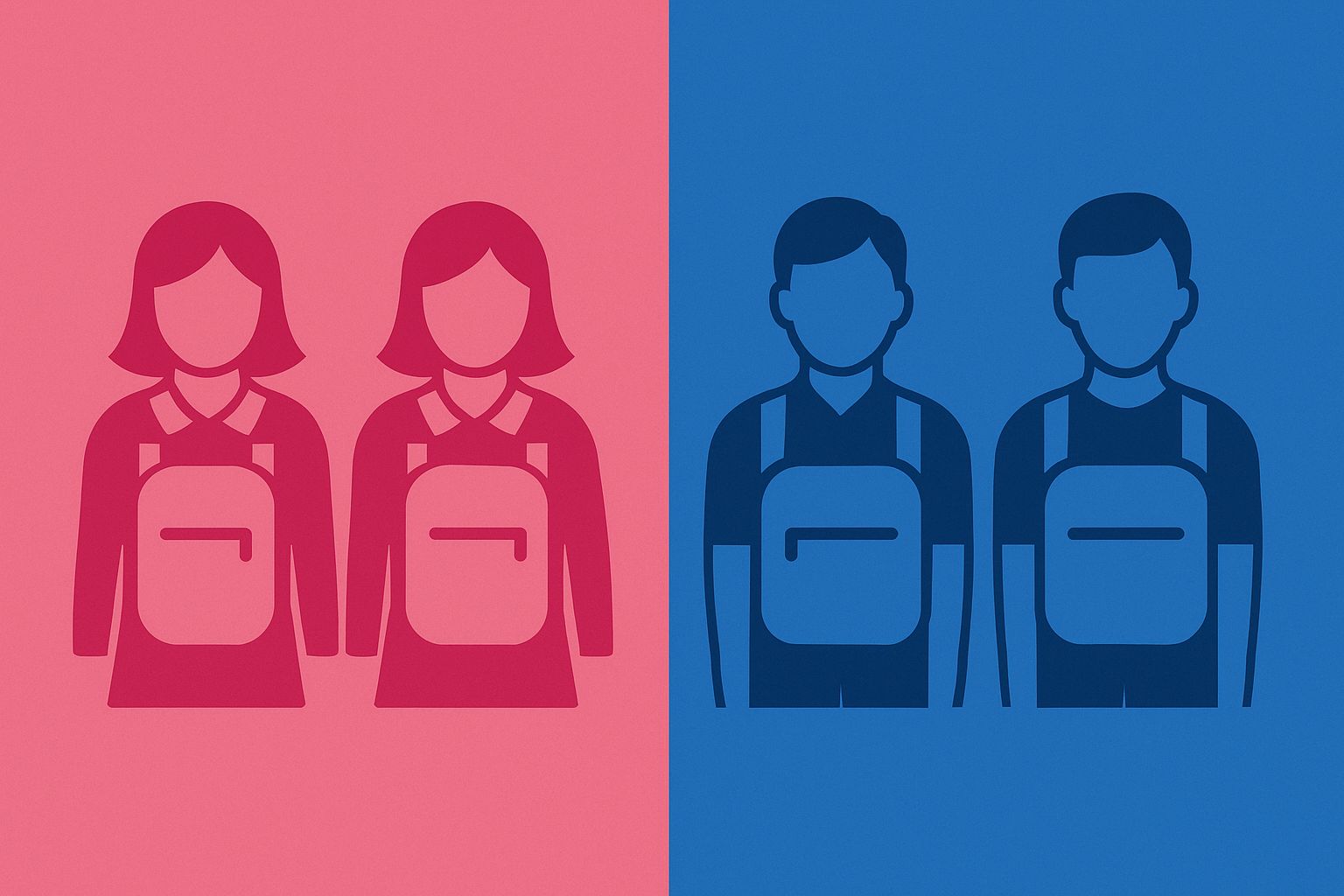
During my internship at a school, I realized that gender stigmas are often taught in the most subtle ways. Something as simple as giving a student a hallway pass, pink for girls and blue for boys, or restricting pair work to same-gender groups silently reinforces gendered expectations. Without even noticing, teachers play a role in sustaining these norms.
The language teachers use is especially powerful. I still remember a PE session when a teacher looked at a young boy who was slower than the others and shouted, “Hey munchkin! Stop running like a girl.” That sentence struck me. It made me realize that much of the sexism in schools stems from older generations channeling harmful stereotypes into younger minds. It was shocking to hear such a phrase in recent years, even though society has come so far, yet many still consider it a harmless joke.
The Weight of Words
Language is not just communication; it shapes thought. What some might dismiss as “banter” or “low-level” sexist remarks can have deep, lasting effects. In the schools I observed, the everyday language of teachers, staff, visitors, and even students often reinforced stereotypes, even unintentionally.
Phrases like “We need a strong boy to open the door” or assumptions like “You went to an engineer, what did he say?” communicate the idea that men are the default in positions of strength or expertise. Similarly, comments such as “Ask your mom to help with homework” imply caregiving is inherently a woman’s role. Even when no harm is intended, such language normalizes unequal roles for boys and girls.
The Role of Teachers
Children may recognize the limits imposed by stereotypes, but peer pressure and the desire to fit in often silence them. That’s why it isn’t enough for teachers to simply tell students that “they can do anything.” They must model inclusivity through attitudes, teaching materials, and classroom practices.
Teachers are among the most influential figures in a child’s early development. They help shape how young people think, act, perceive, and interpret the world. Many adults still remember the words of their teachers, whether they were punished or praised. This influence makes educators essential in building equitable and inclusive education systems.
Lessons from Literature
Chimamanda Ngozi Adichie, in her book We Should All Be Feminists, wrote:
“We teach girls to shrink themselves, to make themselves smaller. We say to girls, You can have ambition, but not too much. You should aim to be successful, but not too successful. Otherwise, you would threaten the men.”
Her words illustrate how education systems across Africa and globally can reinforce gender biases. Schools shape children into citizens, embedding ideas and values that follow them for life. If sexism and patriarchal values are taught early, they risk becoming permanent. Sadly, these ideas are still passed down across generations. I’ve witnessed this firsthand.
Textbooks and Stereotypes
In Lebanon, many textbooks reinforce harmful roles. Men are often portrayed as heroic, strong, and decisive, while women appear as selfless caregivers, secondary to men’s ambitions. These portrayals condition students to believe such divisions are natural and fixed.
Time to Reflect
If you want to uncover gender stereotypes in your own school environment, ask yourself:
- Are girls more often asked to help with cleaning?
- Are boys automatically chosen for physically demanding tasks?
- Are uniform, make-up, and jewelry policies applied equally?
- Are seating plans or lines divided strictly by gender?
The answers may reveal more than we’d like to admit.
Final Thought
Teachers hold the power to either reinforce or challenge gender stereotypes. By being mindful of their words, actions, and the content they deliver, they can create classrooms that empower both boys and girls equally. Change begins with awareness, and schools must be at the heart of this transformation.

Director of SnapFeed.net
BA in Education | TD in Special Ed. | MA Student in Education
Education Specialist | Youth Innovator | Mental Health Advocate | Social Impact Leader